
Costa Rica
Su destino nos importa
Llegamos a cualquier destino en el país con comodidad y puntualidad.
Ver nuestras unidades
Marviticket.com
Compra tus boletos de forma rápida y segura
Viaja cómodo y seguro a los mejores conciertos y eventos del país
Comprar boletos ahora
Su ruta
A la excelencia
Transporte privado y atención a pasajeros en Costa Rica con la flota más moderna y segura.
Ver video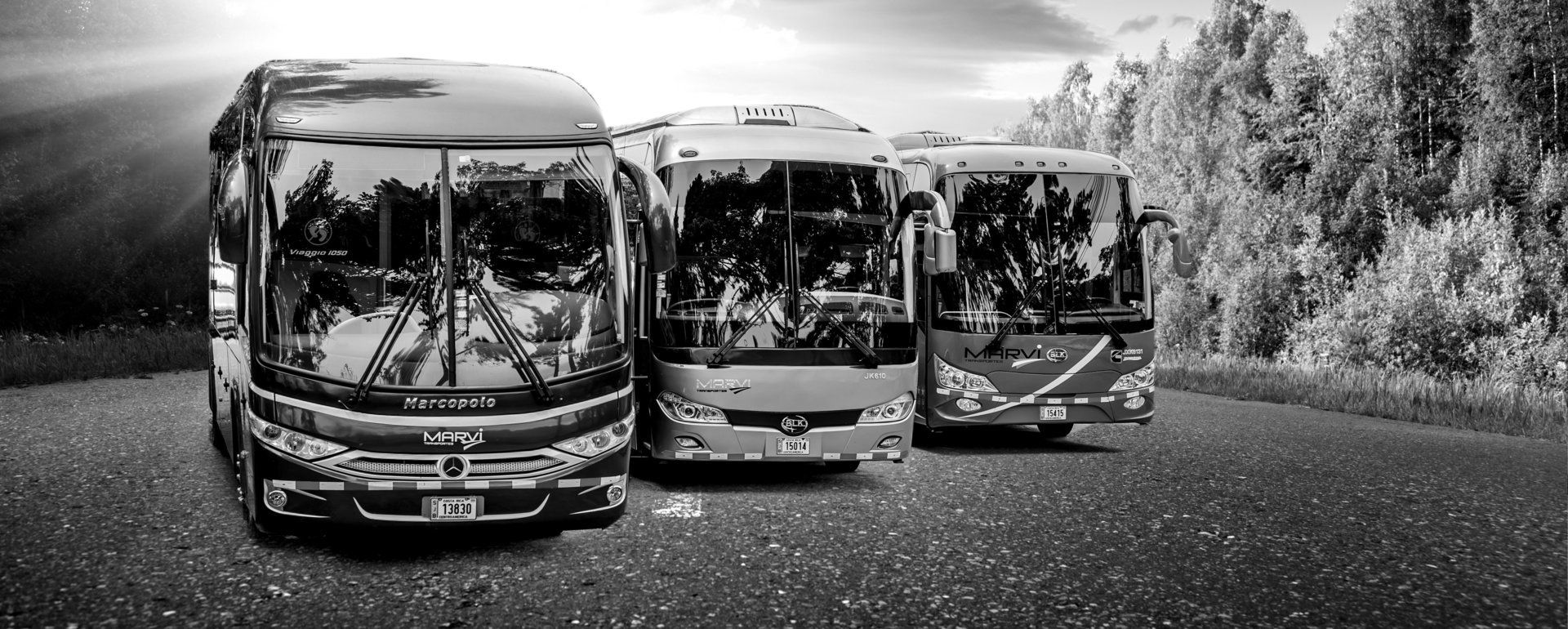
Experiencia
Corporativo y turístico
Atendemos la plataforma corporativa y turística del país con los más altos estándares.
Cotice con nosotros
Bienvenidos
Transportes Marvi
Somos una de las compañías especializadas más grandes de transporte privado y atención a pasajeros a nivel nacional. Contamos con la más extensa flota de vehículos modernos y seguros, que nos permite atender la plataforma corporativa y turística del país, cumpliendo con las más altas expectativas de nuestros clientes
Conozca más sobre nosotrosNuestra ruta
Su ruta a la excelencia
Flota
Nuestras unidades
Modernas unidades para llegar a cualquier destino en Costa Rica.

Van ejecutiva
Ver detalles
Bus mediano
Ver detalles
Capacidad media
Ver detalles
Gran capacidad
Ver detalles
Eventos y logística
Ver detallesQué hacemos
Nuestros servicios
Transportes Marvi es la empresa líder especializada en transporte privado y atención a pasajeros en Costa Rica, con la más extensa flota de vehículos seguros y modernos.
Ver serviciosCorporativo
Traslados ejecutivos, reuniones, convenciones y eventos empresariales con la puntualidad y discreción que su empresa merece.
Tours
Manuel Antonio, City Tour San José, La Paz Waterfall Gardens y otros destinos. Experiencias guiadas en vehículos cómodos.
Aeropuerto
Traslados desde y hacia el Aeropuerto Internacional Juan Santamaría. Servicio puerta a puerta para ejecutivos y grupos.
Eventos especiales
Transportes Marvi ofrece diversos servicios que se llevan a cabo con las unidades seleccionadas según la necesidad del cliente. La empresa cuenta con la experiencia y el protocolo necesarios para cumplir con el servicio de transporte diplomático. Las visi
Vehículos de lujo
Corolla, Yaris, Prado, Sequoia, X5 y más. Traslados premium para ejecutivos dentro y fuera del GAM.
Lujo y confort
MARVI BLACK
Vehículos de lujo para el traslado de ejecutivos, desde el Aeropuerto a oficinas, hoteles, cenas o salidas fuera del GAM.


Bodas, convenciones y más
Eventos especiales
Transportes Marvi ofrece diversos servicios que se llevan a cabo con las unidades seleccionadas según la necesidad del cliente. La empresa cuenta con la experiencia y el protocolo necesarios para cumplir con el servicio de transporte diplomático. Las visitas de países como China, Estados Unidos, Canadá, México, Japón, entre otros, han sido marcadas con el sello de calidad de Transportes Marvi.
Por otro lado también se ofrece el servicio de transporte para eventos especiales como bodas, congresos y seminarios.
Contacto
Cotice con nosotros
Formulario de contacto - Home. Estamos listos para atenderle.